Low Sensory Home Cleansing Ritual: Smoke Free Options and Curated Kits
Practical low sensory home cleansing ritual done in one pass, room by room. Smoke free swaps, air safety guidance, and curated kit options.
On this page
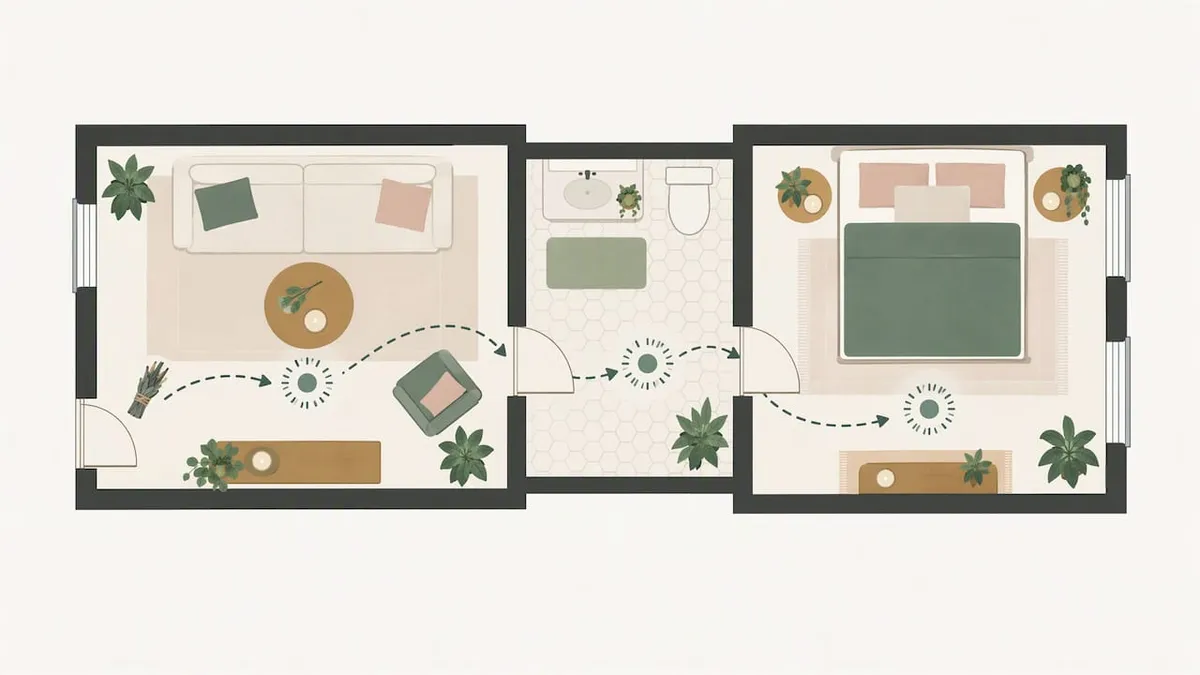
The fastest home cleansing ritual is a one-pass walk: start at the room farthest from your front door, move toward the exit without turning back, and clear each space with sound, spray, or smoke as you go while naming your intention out loud. A singing bowl, a bell, or a mist of water works as well as burning herbs, so pick whichever fits your household. The ritual depends on your focus and attention, not the tool in your hand, and most people find it worth repeating every few weeks rather than treating it as a once-a-year event.
TL;DR:
- Sound tools like bells or singing bowls can replace burning herbs, making the ritual smoke-free and suitable for homes with respiratory sensitivities.
- Cleansing should be done in a steady, unhurried walk from the farthest room to the exit, focusing on corners and behind doors.
- Simple phrases like “this space is clear” are effective if spoken with focus; elaborate scripts are unnecessary.
- Salt and vinegar are practical, non-smoke alternatives for purifying air and absorbing odors in homes where burning isn’t safe.
- Regular small rituals, such as weekly doorway sweeps or seasonal cleanses, maintain a sense of clarity without requiring elaborate setup.
Tools checklist: what to gather and what to avoid
You do not need a full altar to clear a room. A few household items cover almost every version of this ritual, and most of them double as smoke-free swaps if burning is not an option in your home.
- A small bell, bowl, or anything that makes a clear, resonant sound.
- A spray bottle with water and a few drops of essential oil for scent without smoke.
- Sea salt or kosher salt for doorways and windowsills.
- A bundle of dried herbs or incense, only if your household has no respiratory conditions and the room can be ventilated, and you understand burning them produces particulate matter and volatile compounds that are best limited.
- A bowl of white vinegar left out briefly to absorb odors and stagnant air.
Skip burning anything if anyone in the home is pregnant, has asthma, or lives with pets sensitive to smoke. Keep your words simple. A plain line like “this space is clear” does more than an elaborate script, because the ritual works through your attention, not your vocabulary.
Step-by-step room-by-room ritual the reader can follow
The structure matters more than the tool. Start at the point in your home farthest from the front door and work toward the exit, room by room, without doubling back. This keeps the energy moving in one direction instead of pulling you through a space you already cleared.
- Stand in the farthest room and take a breath before you begin.
- Tidy any obvious clutter. A cleansing ritual works better in a room that is not visually chaotic.
- Open a window if the air quality outside is reasonable and the weather allows it.
- Clear the corners and behind doors first, since stagnant air and dust tend to collect there. Use your sound tool, spray, or a short pass of smoke.
- Say your intention out loud, something like “I release what no longer serves this room” or simply “clear.”
- Move to the next room in sequence, repeating the sound or spray pass and the short phrase.
- When you reach the front door, step outside for a moment, then step back in and close the door behind you to mark the end of the ritual.
Pro Tip: Move at a steady, unhurried pace. Rushing through each room undercuts the point of the ritual, which is to give each space a moment of focused attention rather than a quick wave of smoke.
If you are using dried herbs, a short phrase like “may this space be light and calm” said once per room is enough. You do not need a different line for every corner. The repetition itself becomes part of the practice, and simple words said with intention tend to carry more weight than something memorized or recited quickly.
Smoke-free alternatives and air-safety guidance
Sound is one of the most practical substitutes for burning. A bell, a clap, or a few passes with a singing bowl breaks up the stillness in corners and shared spaces without leaving any residue in the air, which makes it a reasonable default for apartments, rentals, or homes with pets.
Beyond sound, a few other options cover most situations:
- Sea salt left in a small dish near the door for a day, then discarded.
- A bowl of white vinegar set out for an hour to absorb stale air.
- A light essential-oil mist sprayed in corners and doorways.
- Simply opening windows and physically cleaning the space, which clears air and clutter at once.
Burning herbs or incense indoors is not risk-free. Incense smoke contains particulate matter and volatile organic compounds that have been linked to airway irritation, and exposure is worth limiting if anyone in the home has a respiratory condition. Indoor air guidance from Harvard Health recommends avoiding activities that add pollution indoors, including burning candles or incense, during periods when outdoor air quality is already poor, according to Harvard Health. If you do choose to burn something, ventilate the room immediately after and keep the session brief.
Intention, maintenance, and everyday micro-rituals
Tool choice matters less than most people assume. Simple ceremony structures built around a clear intention tend to carry more weight than elaborate setups, a point echoed in practical write-ups on ceremony design. The ritual is doing its job if you are present and specific about what you want the space to feel like, not because you used the right herb.
A full room-by-room cleanse is worth doing after a move, a breakup, a bereavement, a long illness, or the start of a new job, basically any time your home feels like it is holding onto something from a hard stretch. Outside of those moments, a lighter touch keeps the space feeling clear:
- A five-minute sweep of just the entryway and doorway, done weekly.
- A one-line gratitude or intention said before bed.
- A seasonal cleanse timed to each change of season rather than a fixed monthly schedule.
Pro Tip: Treat this like routine cleaning rather than a special event. A short, regular practice holds up better over time than one long ceremony you only do once a year.
Finishing the ritual and how to tell it worked
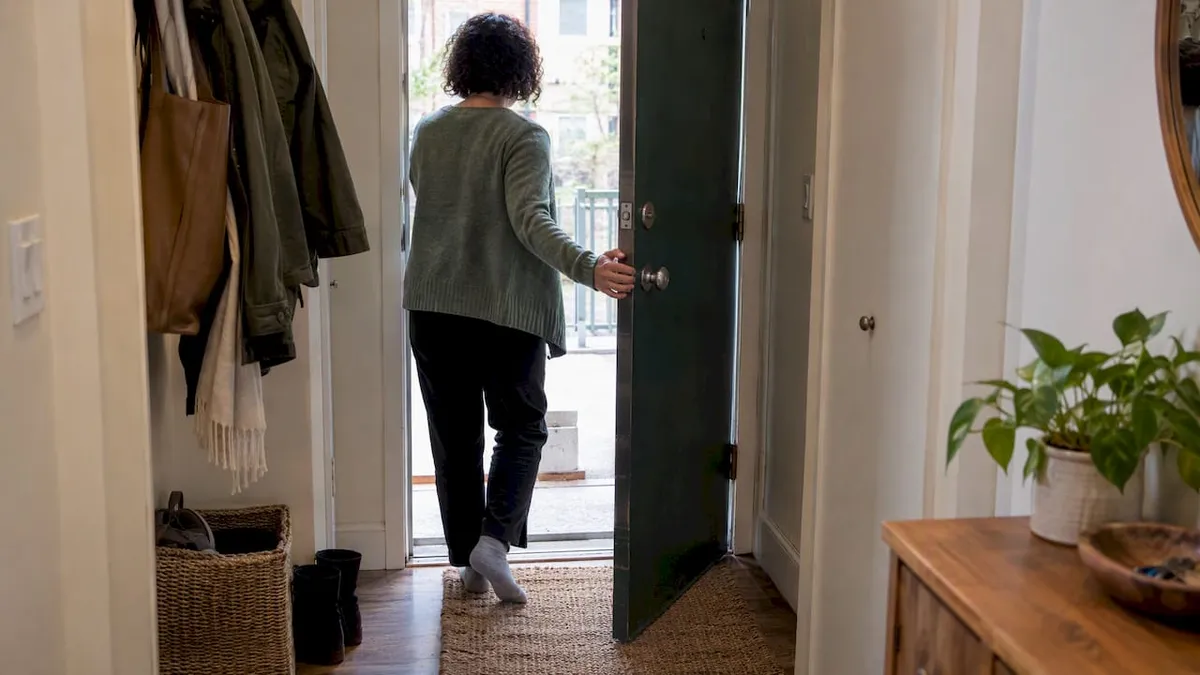
Close the ritual the same way every time: step outside the front door for a moment, then step back in and shut the door behind you. A short line of gratitude, even just “thank you,” marks the end cleanly.
You will not get hard proof that a room is “clear,” but most people notice a lighter mood, easier breathing, or less tension in a space that felt heavy before. If you do not notice anything different, that is fine. Repeat the ritual in a week rather than assuming it failed. After a major cleanse, jot down the date somewhere so you have a sense of when the next one is due.
Author’s perspective: ritual as everyday wellbeing
I keep my own practice small on purpose: a quick doorway sweep most weeks, a longer pass when something in life has shifted. The short, repeated version has done more for how my home feels than the rare elaborate ceremony ever did. Simplicity holds up. Complexity mostly just looks good.
— Rob
Curated ritual kits and guided rituals from Well In Spirit & Health
If you would rather start with something already put together, Well In Spirit & Health is a UK online wellness and self-care store built around curated ritual collections, aromatherapy, bath and body products, and guided meditations for exactly this kind of practice. Each collection pairs selected products with a guided routine, so you are not guessing at phrasing or wondering whether you have the right tools on hand.

For a cleanse in the spirit of this article, The Awakening Ritual and similar spiritual collections include everything needed for a guided room clearing, starting from £30 one-off. A few things worth knowing:
- Each set pairs physical items with a guided routine, so there is no need to script your own phrases.
- Scented options sit alongside smoke-free alternatives for households that prefer sprays over burning.
- A membership program offers ongoing guided content for those wanting to build this into a regular practice.
Browse the spiritual ritual collection to see which set matches the kind of cleanse you have in mind.
FAQ
How do I spiritually cleanse my home?
Walk from the room farthest from your front door toward the exit, clearing each space with sound, spray, or smoke while stating a simple intention out loud. Finish by stepping outside and back in to close the ritual.
How can I remove negative energy from my house?
Use the same room-by-room path, focusing on corners and doorways where stagnant air tends to collect, and pair it with basic tidying and fresh air. Sound tools like bells or singing bowls work as well as burning herbs for most people.
What to say while saging your house?
Keep it short: a line like “this space is clear” or “I release what no longer serves this room” repeated once per room is enough. The words matter less than saying them with focus.
What can I burn in my house to remove negativity?
Dried herb bundles and incense are the traditional choice, but burning them produces particulate matter and volatile compounds worth limiting if anyone in the home has a respiratory condition. Salt, vinegar, essential-oil mist, and sound are smoke-free options that cover the same purpose.
How often should I repeat a home cleansing ritual?
A full cleanse makes sense after a move, bereavement, illness, or major life change, with lighter upkeep like a weekly doorway sweep in between. There is no fixed rule, but seasonal cleanses are a common and sustainable rhythm.
Sources
A short list for anyone who wants to check the safety claims above directly: